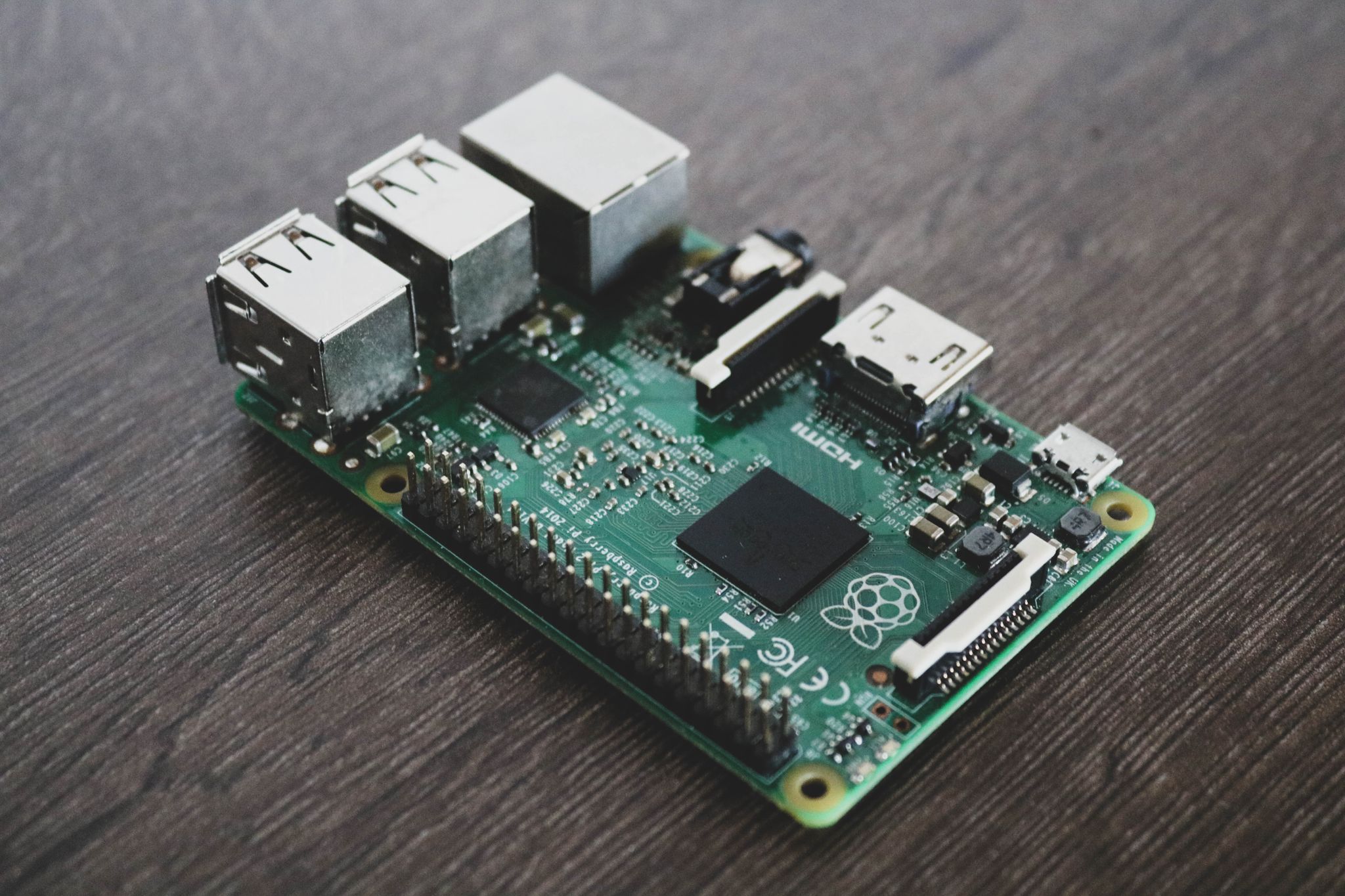
Photo by Alessandro Oliverio on Pexels
Top Edge Computing Trends in 2026: Growth & Use Cases
Explore key edge computing trends in 2026, including market growth, latency reduction, cost savings, and enterprise use cases across industries.
Key Takeaways
- →Edge computing market is projected to achieve a 34% CAGR through 2026.
- →Deploying edge devices reduces cloud data transfer costs by up to 45%.
- →Sub-10ms processing latency enables mission-critical systems like autonomous vehicles.
- →Edge architectures simplify regulatory compliance and data sovereignty under laws like GDPR.
- →Industrial edge gateways monitor hardware in real time to minimize unplanned downtime.
Edge computing is no longer a futuristic buzzword; it’s already reshaping how businesses deliver services from the ground up. In 2026, the trend is not just about putting servers closer to users—it’s about redefining the entire architecture of digital ecosystems.
Concrete Growth Figures
The IDC 2025 Edge Computing Forecast reported a market value of $12.8 billion, with a projected 34 % CAGR through 2026. By the end of 2025, 72 % of Fortune 500 companies had integrated at least one edge solution into their operations. These numbers aren’t speculative; they’re backed by quarterly financial reports from major cloud providers and independent industry analyses.
Why the Shift Matters
- Cost containment: Amazon’s own benchmarks show that deploying AWS Greengrass on edge devices can cut data transfer costs by up to 45 % for IoT telemetry that would otherwise travel to the cloud.
- Latency reduction: In autonomous trucking, Nvidia’s Jetson Xavier edge platform processes sensor data in under 10 ms, a critical margin for safe navigation.
- Data sovereignty: European firms are turning to Azure IoT Edge to keep sensitive health data within EU borders, complying with GDPR while still leveraging cloud intelligence.
Real‑World Use Cases
1. Smart Manufacturing
A German automotive plant uses Siemens MindSphere with edge gateways to monitor vibration and temperature on assembly line robots. The system flags anomalies in real time, reducing unplanned downtime by 28 % and cutting maintenance costs by €2.3 million annually.
2. Remote Healthcare
Tele‑medicine startups in rural Africa deploy Raspberry Pi clusters running EdgeX Foundry to pre‑process patient vitals locally. The data is then encrypted and sent to a central server only when critical thresholds are exceeded, slashing bandwidth usage by 60 % and enabling 24/7 monitoring.
3. Edge Gaming
Cloudflare Workers, powered by the company’s global Anycast network, hosts game logic for a popular MMO. Players experience frame rates that are 2–3 times faster than when the same game runs purely in the cloud, thanks to 5G‑backed edge nodes within 10 km of end users.
Platforms Leading the Charge
| Provider | Core Edge Offering | Key Strengths |
|---|---|---|
| AWS | Greengrass v2 | Seamless integration with Lambda, strong security controls |
| Microsoft | Azure IoT Edge | Modular Docker containers, built‑in AI inference with ONNX |
| Cloud IoT Edge | Edge TPU support for low‑power ML workloads | |
| Cloudflare | Workers KV + Durable Objects | Zero‑trust network, instant global scaling |
| IBM | Edge Application Manager | Enterprise‑grade compliance, hybrid cloud orchestration |
Each platform now offers a free tier that can support up to 500 device connections, making experimentation inexpensive for small teams.
Practical Tips for Adoption
- Start with a single, high‑impact use case. For example, deploy an edge inference model to flag defective products on a single production line before scaling to the entire plant.
- Leverage existing cloud-native tooling. Use the same CI/CD pipelines you use for cloud functions to build, test, and deploy edge code.
- Monitor at the edge. Deploy lightweight metrics collectors (e.g., Prometheus Node Exporter) on edge nodes to keep an eye on CPU, memory, and network health without pulling logs back to the cloud.
The Bottom Line
Edge computing in 2026 is a mature, data‑driven discipline. It delivers measurable ROI—up to 40 % savings on routine data processing for mid‑size enterprises—and it is now supported by a robust ecosystem of tools and platforms. Whether you’re a startup testing AI at the edge or a multinational scaling IoT across continents, the next generation of edge solutions is here, and it’s built to work with your existing stack, not replace it.
Was this article helpful?
Frequently Asked Questions
Stay in the loop
New free tools and practical guides, now and then. No spam, unsubscribe anytime.
Written by
TechVeb Team
The TechVeb team writes practical guides on artificial intelligence, cloud computing, cybersecurity and programming, plus product reviews and free browser-based tools. Edited by Norina Aslam.

Continue Reading
View all →
Digital Twins in Healthcare: 2026 Virtual Patient Tech
Explore digital twins in healthcare for 2026. Discover how virtual patient models revolutionize surgical planning, drug R&D, and personalized medicine.

Best Tech Tools for Digital Nomads in 2026
Discover the best tech tools for digital nomads in 2026. Upgrade your remote work stack with top laptops, VPNs, power banks, and productivity apps.

Anthropic Watermarks Claude Text for EU AI Act Compliance
Anthropic will watermark text from Claude AI models using C2PA standards to comply with the EU AI Act's new transparency rules. Learn how it works.

AI Agents Guide: How Autonomous AI Systems Work
Learn how AI agents use planning, reasoning, and tools to execute complex tasks autonomously. Discover key use cases, architectures, and market impact.

Future of AI in 2026: Top Trends & Breakthroughs
Explore top AI trends for 2026 and beyond. From multimodal models to autonomous agents, see how AI is transforming tech and society.

Moody's Warns Banks: AI Push Creates Big Tech Dependency
Moody's warns that banks adopting artificial intelligence risk extreme vendor dependency on Big Tech cloud providers, exposing them to outages and cyber...
Comments
Loading comments…